Alcohol · Withdrawal
Alcohol Withdrawal: Symptoms, Timeline and Safe Detox
Alcohol withdrawal can be life-threatening. Learn what to expect hour by hour, the warning signs that mean call 911, and how medical detox keeps you safe.
Medically reviewed by Dr. Eric Chegouri, MD, Medical Director · Last reviewed November 7, 2026
The first sign is often small: hands that tremble around the coffee cup, a sweaty, restless morning, a pounding heart that settles after the first drink of the day. For many people that pattern is the moment they realize their body now expects alcohol. Withdrawal is the body's reaction when that expectation is not met.
This page focuses on one question: what happens, hour by hour and week by week, when someone who drinks heavily stops. It covers the symptoms, the danger signs that mean call 911, the factors that make one person's withdrawal mild and another's an emergency, and how a medical team keeps the process safe in Los Angeles.
Quick answer
Alcohol withdrawal usually begins 6 to 24 hours after the last drink, with tremor, sweating, anxiety, nausea and poor sleep. Seizures are most likely between 12 and 48 hours, and delirium tremens (DTs) can appear around 48 to 72 hours. Because withdrawal can be life-threatening, heavy daily drinkers should stop under medical care. Reggie's Recovery, a DHCS-licensed, Joint Commission–accredited detox in Sun Valley, provides 24/7 nursing; admissions answers at (818) 355-1200 day and night.
At a glance
- Onset
- Often 6 to 24 hours after the last drink
- Highest seizure risk
- Roughly 12 to 48 hours
- DTs window
- Around 48 to 72 hours, sometimes later
- Acute phase
- Usually eases within about a week
- Safest setting
- Medical detox with 24/7 nursing
- Help now
- 911 for emergencies; (818) 355-1200 for detox
Why does alcohol withdrawal happen?
Alcohol is a depressant. It boosts the brain's main calming signal (GABA) and dampens its main excitatory signal (glutamate). When drinking is heavy and frequent, the brain compensates in the opposite direction, quieting its own brakes and pressing harder on the accelerator so that you can function while intoxicated.
That compensation does not switch off the moment the alcohol is gone. For a period of days, the nervous system runs too hot: the heart races, blood pressure climbs, sleep collapses and the brain becomes prone to seizures. Withdrawal is that rebound, and its intensity reflects how far the brain had shifted to accommodate alcohol.
This is also why withdrawal can start while you still have alcohol in your blood. What matters is the drop from the level your brain is used to, not whether the level has reached zero. Someone who is usually very intoxicated can begin withdrawing while still above the legal driving limit.
What are the symptoms of alcohol withdrawal?
Symptoms range from a rough few days to a medical emergency. Most people feel some mix of physical and psychological effects, and they often change quickly from hour to hour.
Physical symptoms
- Tremor, especially of the hands ("the shakes")
- Sweating, clammy skin and feeling hot or cold
- Rapid heartbeat and raised blood pressure
- Nausea, vomiting, loss of appetite and stomach cramps
- Headache and sensitivity to light or sound
- Insomnia and vivid, disturbing dreams
- In severe cases: seizures, fever and dangerous swings in pulse and blood pressure
Psychological symptoms
- Anxiety, jumpiness and a sense of dread
- Irritability and low frustration tolerance
- Low mood and tearfulness
- Trouble concentrating or thinking clearly
- Hallucinations, most often seeing, hearing or feeling things that are not there, sometimes while otherwise alert
- In delirium tremens: disorientation, agitation and not knowing where you are
Clinicians often describe withdrawal in severity bands. Medical teams commonly use structured symptom scales to score tremor, sweating, anxiety, agitation, nausea, perception changes and orientation, then repeat the score regularly so treatment keeps pace with the person rather than with a fixed schedule.
How long does alcohol withdrawal last?
For most people the acute phase lasts about five to seven days, but the shape of those days varies. The phases below are a general pattern drawn from mainstream clinical guidance; your own course depends on your history and health.
- 6–24 hoursOnset
Tremor, sweating, anxiety, nausea, headache and insomnia begin. Many people feel an urge to drink just to make the symptoms stop, which is how the cycle repeats.
- 12–48 hoursSeizure window
Withdrawal seizures are most likely here and can be the first serious sign, sometimes with no warning. Some people develop hallucinations while still oriented and aware.
- 48–72 hoursPeak and delirium tremens risk
Symptoms tend to peak. A minority of people develop DTs: confusion, agitation, fever, heavy sweating and unstable heart rate and blood pressure. DTs is a medical emergency.
- Days 4–7Settling
For most people physical symptoms ease. Fatigue, shaky sleep, anxiety and low appetite often remain. When DTs occurs it can continue for several days.
- Weeks to monthsPost-acute symptoms
Sleep disruption, mood swings, irritability and cravings can come and go long after the body has cleared alcohol.
A smooth first day does not mean the danger has passed. Seizures and DTs tend to arrive after the early symptoms, which is one reason medical teams keep monitoring through the third day and beyond.
What makes alcohol withdrawal more severe?
No one can predict exactly how a given person will withdraw, but clinicians look closely at several risk factors when deciding the level of care.
| Factor | Why it matters |
|---|---|
| Past withdrawal seizures or DTs | One of the strongest predictors that they could happen again |
| Many previous withdrawals | Repeated cycles of heavy drinking and stopping may make later withdrawals harder, an effect sometimes called kindling |
| Heavy daily drinking over a long period | The brain has adapted further, so the rebound is larger |
| Older age | The body has less reserve to handle the stress of withdrawal |
| Medical conditions | Liver disease, heart disease, infections or low electrolytes complicate withdrawal |
| Other sedatives | Using benzodiazepines or sleep medications as well can make withdrawal more complex and dangerous |
| Poor nutrition | Low thiamine and other deficiencies raise the risk of serious brain complications |
None of these factors guarantees a dangerous withdrawal, and their absence does not guarantee a safe one. That uncertainty is the core reason medical guidance applies to anyone who drinks heavily every day.
What are the danger signs of alcohol withdrawal?
Delirium tremens deserves its own description because it is easy to mistake for drunkenness or a mental-health crisis. A person with DTs is typically confused about time and place, restless, sweating heavily, shaking, and may see insects or people that are not there. Their temperature, heart rate and blood pressure can climb to dangerous levels. Delirium tremens needs hospital-level medical care right away.
Another serious complication is Wernicke encephalopathy, linked to thiamine (vitamin B1) deficiency in people who drink heavily. Warning signs include confusion, unsteady walking and unusual eye movements. It is a medical emergency and is one reason vitamin replacement is routine in alcohol detox.
How does medical detox manage alcohol withdrawal?
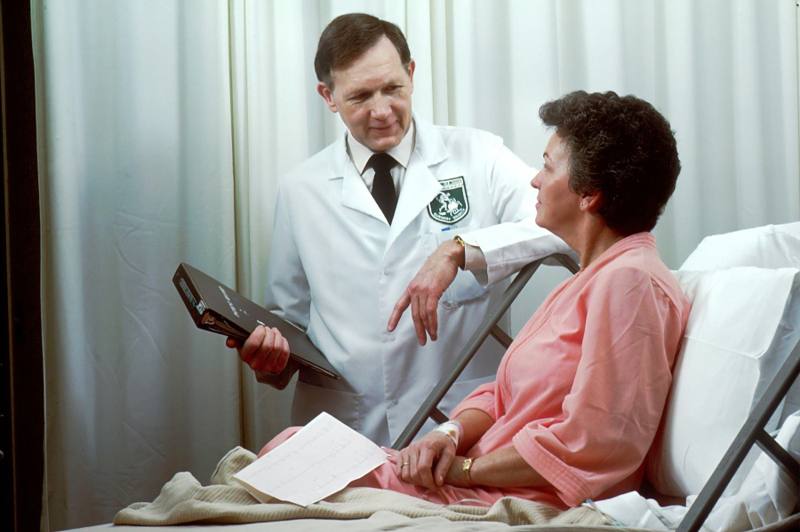
Medical detox does not make withdrawal disappear, but it changes the risk. Instead of facing a possible seizure alone, you are monitored by people trained to spot the early signs and act. At Reggie's Recovery in Sun Valley, care includes:
- An intake assessment with bloodwork, vital signs and a mental-health screening, so the team knows your baseline and any medical risks.
- 24/7 nursing with regular vital-sign and symptom checks, day and night.
- An on-call physician who directs the plan and adjusts it as symptoms change.
- Comfort medications and tapering protocols. For alcohol withdrawal, physicians commonly use a short, carefully managed benzodiazepine taper to calm the nervous system and lower seizure risk. Doses are set and adjusted by your physician; we never publish them.
- Hydration and nutritional support, including vitamins such as thiamine, which heavy drinking depletes.
- Rest and quiet, in a private suite with chef-prepared meals, then light counseling once you are stable.
Our inpatient medical detox program explains the full process, and the alcohol detox page walks through what admission and the first few days look like in practice.
What is post-acute alcohol withdrawal?
After the acute phase, many people expect to feel normal. Instead, they find that sleep is light and broken, moods swing without warning, concentration is patchy and cravings flare in familiar situations. These lingering effects are often called post-acute withdrawal symptoms, or PAWS.

Post-acute symptoms tend to come in waves rather than steadily improving, and stress, poor sleep and reminders of drinking can set them off. They usually ease over months. They are also a common reason people relapse in the first weeks after detox, because a drink seems like the fastest way to feel steady again.
Practical supports help: a regular sleep schedule, meals at predictable times, daily movement, therapy that teaches coping skills, and, for some people, medication that reduces cravings. Physicians may consider medication-assisted treatment such as naltrexone once detox is complete.
Is it safe to go through alcohol withdrawal at home?
If you drink heavily every day, the honest answer is no. You cannot know in advance whether you will be one of the people who has a seizure or develops DTs, and both can happen quickly. At home there is no one to check your vital signs, no one trained to recognize early delirium, and no medication on hand if your symptoms escalate.
Withdrawal alone at home
- No monitoring of heart rate, blood pressure or temperature
- Seizures may happen with no one there to help
- Strong temptation to drink again to stop symptoms
- Vitamin deficiencies often go untreated
- Mood crises can go unnoticed
Supervised medical detox
- Vital signs and symptoms checked around the clock
- Medication adjusted to symptoms, with a physician on call
- No access to alcohol while the body stabilizes
- Thiamine and nutrition addressed from the start
- A plan for treatment after withdrawal ends
What comes after alcohol withdrawal?
Withdrawal treats the body's dependence on alcohol. It does not treat the reasons drinking took hold, and stopping there leaves people vulnerable once the cravings and stress of everyday life return. Most people move from detox directly into a structured program.
- Residential treatment (typically 30 to 90 days) on the same Sun Valley campus, with individual and group therapy, family work and wellness activities.
- Partial hospitalization and intensive outpatient care at Reggie's Treatment Center as you return to work and home life.
- Dual-diagnosis care when anxiety, depression or trauma are part of why you drink.
- Sober living for structure and accountability during the first months.
For the bigger picture on alcohol use disorder, including how it is diagnosed and the medications that support recovery, see our alcohol rehab guide. If you are not sure whether your drinking has reached this point, start with the signs of alcohol addiction.
Key takeaways
- Alcohol withdrawal often begins within 6 to 24 hours, with seizure risk highest around 12 to 48 hours and DTs possible around 48 to 72 hours.
- Past seizures or DTs, many prior withdrawals, older age and medical illness raise the risk.
- Confusion, seizures, hallucinations with agitation or high fever mean call 911.
- Medical detox with 24/7 nursing is the safest way to stop heavy daily drinking.
- Post-acute symptoms can last months, so continuing treatment matters.
Sources & further reading
- National Institute on Alcohol Abuse and Alcoholism (NIAAA) — alcohol use disorder, withdrawal and treatment research.
- American Society of Addiction Medicine (ASAM) — clinical practice guidance on alcohol withdrawal management.
- Centers for Disease Control and Prevention (CDC): Alcohol Use — health effects of excessive drinking.
- SAMHSA National Helpline — free, confidential, 24/7 treatment referral at 1-800-662-4357.
- 988 Suicide & Crisis Lifeline — call or text 988 for immediate emotional support.
This page is educational and does not replace medical advice. If you or someone near you has a seizure, severe confusion or hallucinations during withdrawal, call 911.
FAQs
Alcohol Withdrawal Questions
Symptoms usually begin 6 to 24 hours after the last drink, and sometimes sooner in people who drink very heavily. Withdrawal can start even while alcohol is still in the bloodstream, because what triggers it is the drop from the level the brain is used to. Early signs include shaky hands, sweating, anxiety, nausea and trouble sleeping.
Yes. Severe alcohol withdrawal can cause seizures and delirium tremens, and both can be fatal without prompt treatment. Most people do not develop these complications, but no one can reliably predict who will. That is why anyone who drinks heavily every day should stop under medical supervision rather than alone.
Delirium tremens is the most severe form of alcohol withdrawal. It typically appears around 48 to 72 hours after the last drink and involves confusion, agitation, hallucinations, heavy sweating, fever and unstable heart rate and blood pressure. DTs is a medical emergency. If you see these signs, call 911.
The acute phase usually lasts about five to seven days, peaking around days two and three. Delirium tremens, when it happens, can last several days longer. Milder post-acute symptoms such as broken sleep, irritability, low mood and cravings can continue on and off for weeks or months after detox.
Self-tapering is unreliable and is not a safe substitute for medical care if you drink heavily every day. It is hard to judge how much to cut, symptoms can escalate quickly, and there is no one to respond if a seizure happens. A physician can assess your risk and recommend the right level of supervision.
An overexcited nervous system can distort perception. Some people see, hear or feel things that are not there while otherwise alert, usually in the first two days. Hallucinations combined with confusion, fever or agitation can signal delirium tremens. Any hallucinations during withdrawal should be evaluated by a medical professional.
It can. Clinicians have observed that people who go through many cycles of heavy drinking and withdrawal may have more severe withdrawals over time, including a higher chance of seizures. This is sometimes called kindling. It is one reason a history of previous withdrawals is taken seriously during a detox assessment.