Therapies · Holistic & Experiential
Holistic Therapies for Addiction
Art, music, yoga, meditation, breathwork, fitness and nutrition, working alongside evidence-based care to heal body and mind.
Medically reviewed by Dr. Eric Chegouri, MD, Medical Director · Last reviewed November 7, 2026
Substances often become the way a person relaxes, sleeps, celebrates, copes with pain and fills empty time. Take them away, and those needs do not disappear. Holistic therapies help fill that space with healthier ways to calm the nervous system, express what is hard to put into words and rebuild a body that addiction has worn down.
At Reggie's Recovery Center, holistic and experiential therapies sit alongside evidence-based clinical care, never in place of it. This page explains what each one involves, what research says and how they fit into a day of treatment in Los Angeles.
Quick answer
Holistic therapies in addiction treatment are complementary practices, such as art and music therapy, yoga, meditation, breathwork, fitness and nutrition counseling, that support the mind and body alongside evidence-based therapy and medical care. They help with stress, sleep, mood and cravings but do not replace treatment. At Reggie's, a DHCS-licensed, Joint Commission–accredited program, they are part of residential and PHP/IOP care. Call (818) 355-1200, 24/7.
At a glance
- What it includes
- Art, music, yoga, meditation, breathwork, fitness, nutrition
- Role
- Complementary to evidence-based therapy and medical care
- Helps with
- Stress, sleep, mood, cravings, self-expression, physical health
- Residential
- Afternoon wellness activities at the Sun Valley campus
- Outpatient
- Experiential groups and a music therapy studio at the IOP center
- Experience needed
- None; no artistic or athletic skill required
What are holistic therapies in addiction treatment?
"Holistic" means treating the whole person: body, mind, emotions and daily life, not just the substance use. In practice, holistic therapies in rehab are a group of complementary and experiential activities that support recovery in ways talk therapy alone may not reach.
The National Center for Complementary and Integrative Health (NCCIH), part of the National Institutes of Health, uses the term complementary for non-mainstream practices used together with conventional care, and integrative for bringing them together in a coordinated way. That is the right frame for addiction treatment: these practices complement CBT, DBT, medical care and medication-assisted treatment where appropriate.
Why add holistic therapies to rehab?
Early recovery is physically and emotionally demanding. Sleep is often disrupted, stress responses are on high alert and many people feel restless or flat for weeks. Holistic practices offer several practical benefits:
- Regulating stress — breathing and mindfulness can help settle the body's stress response, which is closely tied to cravings.
- Another way to process feelings — art and music let people work with emotions that are hard to say out loud, including grief, shame and trauma.
- Rebuilding physical health — movement and nutrition help restore energy, sleep and strength.
- Replacing what substances provided — enjoyable, healthy activities fill the time and meet the needs that drinking or using once did.
- Practicing presence — many people realize they have not felt calm without a substance in years. Experiencing it, even briefly, is powerful.
What is art therapy?
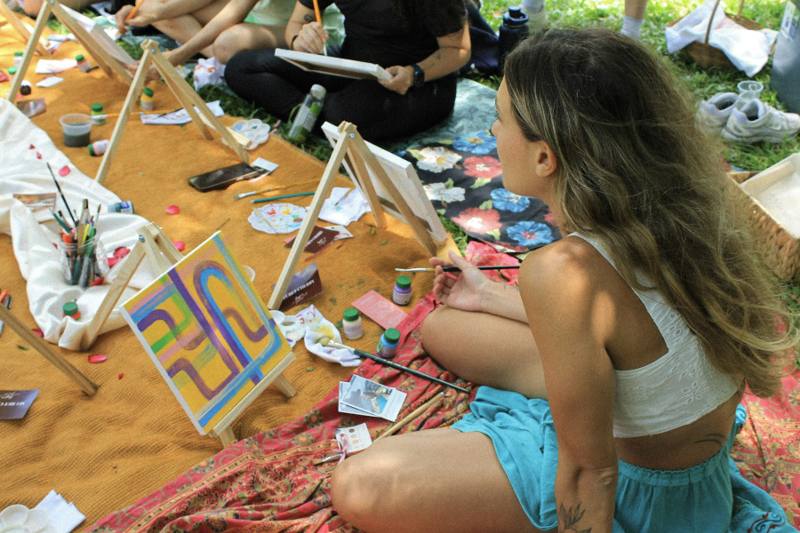
Art therapy uses drawing, painting, collage, sculpture and other creative processes as a form of therapeutic expression. According to the American Art Therapy Association, it is a mental health profession in which art-making is used within a therapeutic relationship to improve wellbeing, build self-awareness and work through conflict and difficult emotions.
In addiction treatment, an art therapy session might ask you to draw what a craving feels like, make a collage of the life you want in recovery, or create something that represents a relationship. The point is not the finished product. It is what you notice while making it, and what you discover when you talk about it afterward.
What is music therapy?
Music therapy uses listening, songwriting, lyric discussion, improvisation and playing instruments to support emotional and social goals. The American Music Therapy Association describes it as the clinical, evidence-based use of music interventions within a therapeutic relationship.
In recovery, music can help you identify and talk about feelings, manage stress, connect with others in a group and reclaim music that you may associate with using. Some people write about their story; others simply learn that drumming or playing a few chords can shift a hard mood.
How do yoga, meditation and breathwork help?
Yoga
Yoga combines physical postures, breathing and focused attention. NCCIH notes that yoga may help with stress, sleep and some kinds of pain, all of which are common challenges in early recovery. Sessions in treatment are usually gentle and adaptable to any fitness level.
Meditation and mindfulness
Mindfulness means paying attention to the present moment, including thoughts, feelings and body sensations, without judging them. In recovery, it supports skills such as urge surfing from relapse prevention: noticing a craving, watching it rise and fall, and letting it pass without acting on it. Mindfulness is also built into dialectical behavior therapy.
Breathwork
Slow, structured breathing is one of the simplest tools for calming the body. Techniques such as slow exhale breathing can be used anywhere, including in the middle of a stressful conversation or a craving. Breathwork in treatment focuses on gentle, regulating techniques.
Why do fitness and nutrition matter in recovery?
Alcohol and drug use often take a toll on the body. Heavy drinking, for example, can interfere with how the body absorbs nutrients, and the NIAAA notes that people with alcohol use disorder are at risk of deficiencies such as thiamine (vitamin B1). Stimulant use frequently suppresses appetite and sleep. Many people arrive in treatment run down, undernourished or out of shape.
Fitness rebuilds strength and stamina, supports sleep and mood and offers a healthy source of the energy and reward that substances once supplied. In treatment, it is paced to your health; your care team will tell you what is safe while you recover.
Nutrition counseling helps you understand how regular, balanced meals affect energy, mood and cravings, and how to plan meals you can maintain after treatment. At our Sun Valley campus, meals are chef-prepared, which makes it easier to experience what eating well feels like.

What does the evidence say?
The evidence for holistic therapies is real but more limited than for core treatments such as CBT, contingency management or medication for opioid and alcohol use disorders. NCCIH notes that research on mind-body practices for substance use is still developing, with some promising findings for mindfulness-based approaches and for yoga's effects on stress and wellbeing.
| Practice | What it may support | Best understood as |
|---|---|---|
| Art therapy | Emotional expression, self-awareness | A complement to talk therapy |
| Music therapy | Mood, stress, connection, expression | A complement to talk therapy |
| Yoga | Stress, sleep, flexibility, body awareness | A wellness practice |
| Meditation / mindfulness | Craving awareness, stress, emotional regulation | A skill that supports relapse prevention |
| Breathwork | Calming the stress response in the moment | A portable coping tool |
| Fitness | Sleep, mood, energy, physical health | A healthy routine |
| Nutrition counseling | Energy, mood, physical recovery | Foundational self-care |
For that reason, reputable programs present these practices as part of a plan, not as standalone cures. Be cautious of any program that claims a single holistic method can treat addiction by itself.
How Reggie's uses holistic therapies
In residential treatment at our Sun Valley hilltop campus, afternoons typically include yoga, meditation, breathwork, art therapy or fitness, after a morning and midday of group therapy, individual sessions and education. The setting, with views over the San Fernando Valley toward the San Gabriel Mountains, gives you room to breathe and move. Nutrition counseling and chef-prepared meals support physical recovery.
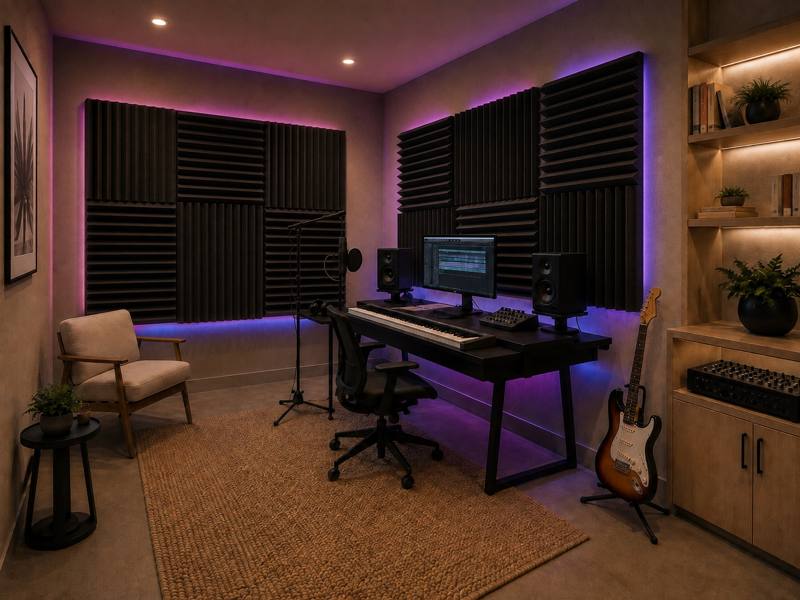
In our PHP and IOP programs at Reggie's Treatment Center in Los Angeles, experiential groups may include art or music therapy, mindfulness and breathwork, and education on sleep, nutrition and the brain. The center has a dedicated music therapy studio. Because many clients live in sober living homes during this stage, they can keep practicing healthy routines, such as using the outdoor gym or pool, between sessions.
How holistic care pairs with clinical therapy
Holistic work tends to be most useful when it connects back to the rest of your plan:
- A feeling that comes up in art therapy becomes material for your next individual or group session.
- Breathwork and meditation give you tools for the distress tolerance skills taught in DBT.
- Mindful movement can be a gentle, body-based support within trauma-informed care, at a pace that feels safe.
- Fitness and nutrition goals become part of the lifestyle balance in your relapse prevention plan.
What holistic therapies are not
Holistic therapies are
- Complementary practices that support recovery
- Useful for stress, sleep, mood and expression
- Adapted to your health and comfort level
- Tools you can keep using after treatment
Holistic therapies are not
- A replacement for medical detox or medication
- A substitute for evidence-based therapy
- A cure for addiction on their own
- A test of artistic or athletic ability
Key takeaways
- Holistic therapies treat the whole person and complement, never replace, evidence-based care.
- Art and music therapy offer ways to express what is hard to say; yoga, meditation and breathwork help regulate stress.
- Fitness and nutrition help repair the physical toll of substance use.
- At Reggie's, these practices are part of residential afternoons in Sun Valley and experiential groups at the IOP center, which has a music therapy studio.
Sources & further reading
- National Center for Complementary and Integrative Health (NCCIH) — research on yoga, meditation and other complementary approaches
- American Art Therapy Association — what art therapy is
- American Music Therapy Association — what music therapy is
- National Institute on Alcohol Abuse and Alcoholism (NIAAA) — alcohol's effects on health
- National Institute on Drug Abuse (NIDA) — evidence-based addiction treatment
This page is educational and does not replace medical advice.
FAQs
Holistic Therapy Questions
Some have growing research support, especially mindfulness-based approaches and yoga for stress and wellbeing, but the evidence is more limited than for core treatments like CBT or medication for opioid and alcohol use disorders. That is why reputable programs use holistic therapies as complements to evidence-based care rather than as standalone treatment.
Holistic activities are part of the treatment schedule, and most people find at least one they enjoy. They are adapted to your comfort and health. If something feels physically unsafe or emotionally overwhelming, tell your care team; they can adjust your participation or suggest an alternative.
Yes. Reggie's Treatment Center, our PHP and IOP center at 2107 W. Manchester Ave in Los Angeles, has a dedicated music therapy studio. Music and art therapy are among the experiential groups offered in outpatient care. You do not need to play an instrument or sing well to take part.
No. Holistic practices cannot safely manage withdrawal, and they are not a substitute for FDA-approved medications when those are appropriate. Alcohol and benzodiazepine withdrawal can be life-threatening and require medical supervision. Holistic therapies work best alongside detox, therapy and medical care.
The terms overlap. Holistic usually describes the broader idea of treating the whole person: body, mind and lifestyle. Experiential therapies are hands-on activities, such as art, music or movement, in which you learn by doing rather than only by talking. Many practices fit both descriptions.
That is one of their biggest advantages. Breathing techniques, meditation, a regular exercise routine and balanced meals are tools you can use for the rest of your life, often at little or no cost. Many people build them into the lifestyle section of their relapse prevention plan.
Holistic activities are typically part of a treatment program's overall schedule rather than billed as separate services, but how your plan covers treatment depends on the plan. Many PPO plans cover residential and outpatient addiction treatment at least in part. Reggie's verifies benefits for free, usually in 15–30 minutes.