Serving Inglewood · Hollywood, Downtown & South Los Angeles
Drug & Alcohol Rehab Serving Inglewood
Outpatient care just east of Inglewood on Manchester Avenue, detox and residential treatment in Sun Valley, and an aftercare plan built around your life back home.
Inglewood is a city with its own identity — its own city government, its own downtown along Market Street and a skyline that has changed a lot around the new stadium district. When you’re looking for addiction treatment from here, you want care that respects that: something close enough to fit your life, and serious enough to actually help. Reggie’s Recovery Center offers both, and our outpatient center is right next door.
Reggie’s Treatment Center, our PHP and IOP facility, is at 2107 W. Manchester Ave in South Los Angeles, a short drive east of Inglewood along the same corridor that becomes Manchester Boulevard inside city limits. Medical detox and residential treatment take place at our campus in Sun Valley. And because the hardest part of recovery often begins after formal treatment ends, this page spends real time on aftercare, alumni support and building a recovery community where you live.
Quick answer
Yes — Reggie’s Recovery Center serves Inglewood. Our PHP and IOP center, Reggie’s Treatment Center, is at 2107 W. Manchester Ave, just east of Inglewood. Detox and residential care are at our DHCS-licensed, Joint Commission–accredited Sun Valley campus, roughly 40–55 minutes away via I-405 without heavy traffic. Aftercare and alumni programming follow you home. Call (818) 355-1200, 24/7.
At a glance
- Drive to our campus
- Roughly 40–55 minutes to Sun Valley without heavy traffic
- Route
- I-405 north through the Sepulveda Pass, then US-101 east and SR-170 north
- Nearest Reggie’s location
- Reggie’s Treatment Center, 2107 W. Manchester Ave, just east of Inglewood
- Levels of care
- Detox, residential, PHP, IOP, sober living, aftercare & alumni
- Admissions
- Answered 24/7 at (818) 355-1200; same-day admission is common
- Insurance
- Most PPO plans accepted; free 15–30 minute verification
What does getting treatment near Inglewood look like?
For most Inglewood residents, treatment has two geographic halves. The intensive early part, if you need it, happens away from home: detox and residential care in Sun Valley give you a quiet, structured place to stabilize, away from the people, places and routines tied to using. The longer second half happens close to home. Outpatient groups on Manchester Ave, family sessions and aftercare all take place within easy reach of your neighborhood.
That split matters. People tend to do better when the skills they build in treatment get tested and reinforced in the place they’ll actually live. A short trip to outpatient means fewer missed sessions, easier family involvement and a smoother handoff into the support you’ll lean on for months afterward.
How is substance use affecting Inglewood and LA County?
Inglewood is part of Los Angeles County, and the county’s Department of Public Health has reported that fentanyl is now involved in most of the county’s overdose deaths. Alcohol remains one of the most common reasons adults seek treatment, and stimulants such as methamphetamine and cocaine are often part of the picture, sometimes mixed with other substances without the person knowing.
What this means for an Inglewood family is that the stakes of waiting are higher than they used to be. If a loved one uses pills, powders or opioids, keep naloxone on hand, and treat a sudden change in someone’s behavior as a reason to talk now rather than later. Current numbers are published by LA County SAPC and the California Overdose Surveillance Dashboard.
What levels of care are available to Inglewood residents?
Your starting point depends on your health, what you’ve been using and how stable home feels right now:
- Inpatient medical detox in Sun Valley, typically 5–10 days, with 24/7 nursing, an on-call physician and comfort medications. Important for alcohol and benzodiazepine withdrawal, which can be dangerous without supervision.
- Residential treatment in Sun Valley, typically 30–90 days, with individual, group and family therapy.
- Partial hospitalization and intensive outpatient at Manchester Ave, with day and evening tracks.
- Sober living with a house manager, house meetings and random testing.
- Medication-assisted treatment with buprenorphine or naltrexone for opioid use, and FDA-approved options considered for alcohol.
- Dual-diagnosis treatment for depression, anxiety, trauma and other mental-health conditions.
If cocaine or heroin is the main concern, those pages cover what recovery typically involves.
What happens after treatment? Aftercare and alumni support
Finishing a program is a milestone, not a finish line. Addiction is a chronic condition, and the months right after treatment are when routines, relationships and stress all come rushing back at once. Good aftercare is the bridge between a structured program and a self-directed life in recovery.
What an aftercare plan includes
Before you leave any level of care, your clinicians and case manager help you build a written plan. It usually covers where you’ll live, how often you’ll attend outpatient or therapy, which peer support meetings you’ll go to, who you’ll call when cravings hit, how you’ll handle known triggers and what to do if you slip. For Inglewood residents, the plan is deliberately local: outpatient on Manchester Ave, meetings you can reach in minutes, and people nearby who know your goals.
Stepping down instead of stopping
Many people move from residential to PHP, then IOP, then a lighter schedule over time. Each step gives a little more freedom while keeping a safety net in place. If a lapse happens, the response is usually more support, sometimes a short return to a higher level of care, not starting over.
Alumni programming
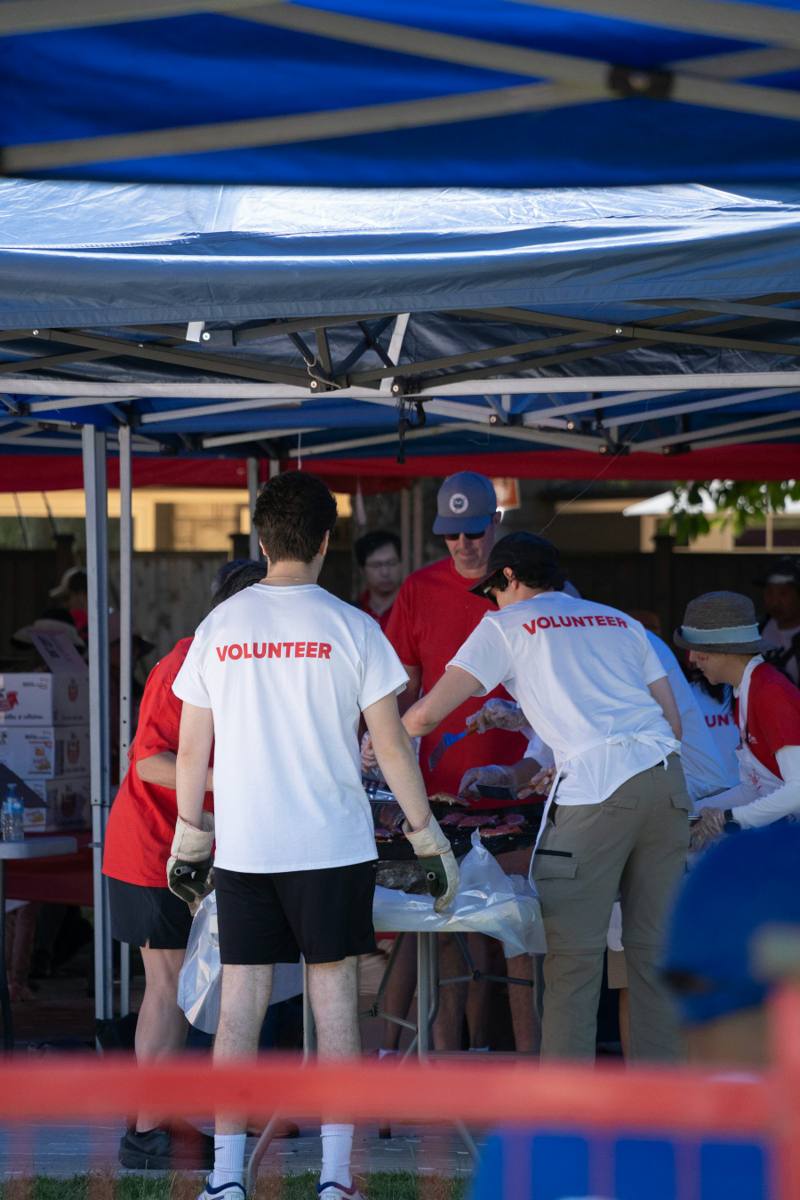
Reggie’s offers aftercare and alumni programming, and our sober living homes host alumni events. Staying connected to people who went through treatment with you is one of the simplest ways to stay accountable — and one of the more enjoyable ones.
Building your own recovery community in Inglewood
Long-term recovery tends to rest on relationships. That might mean a regular AA, NA or SMART Recovery meeting, a sponsor or mentor, a gym routine, volunteering, a faith community if that’s meaningful to you, or friends who are glad to make plans that don’t center on drinking. Families can find their own support through Al-Anon. None of this has to be built in a week; your outpatient therapist can help you add one piece at a time.
How do I get from Inglewood to Reggie’s?
| Location | What happens there | Getting there |
|---|---|---|
| Reggie’s Treatment Center, 2107 W. Manchester Ave | PHP and IOP (day and evening tracks) | A short drive east along Manchester |
| Sun Valley campus, 9250 Del Arroyo Dr | Medical detox and residential treatment | Roughly 40–55 minutes via I-405 north, then US-101 and SR-170 |
The Sun Valley drive is longest at rush hour, when the Sepulveda Pass slows considerably, so admissions often happen midday or in the evening. Our team coordinates transportation when needed, and family members are welcome to bring a loved one in. Residential care includes structured visiting times and family therapy, so you can stay connected from Inglewood.
Local resources for Inglewood residents
- LA County Substance Abuse Service Helpline (SASH): 1-844-804-7500, 24/7, for county treatment referrals.
- SAMHSA National Helpline: 1-800-662-4357, free and confidential.
- Meeting finders: AA, NA, SMART Recovery and, for families, Al-Anon.
How can I pay for rehab from Inglewood?
We accept most major PPO plans, and care is often covered at least in part depending on your plan. Our free verification typically takes 15–30 minutes and spells out your benefits for each level of care. HMO options are limited with us, but we’ll help you find resources if that applies. We generally don't accept Medi-Cal, but if that's your coverage we'll connect you with a provider who does. You can also ask about self-pay and financing. Visit our insurance page or use the Insurance Decoder to understand your plan. We never notify your employer.
How do I start?
Admission takes three steps: a confidential call, a quick insurance check and the start of treatment. Most people finish the process in under two hours and are admitted the same day. You can call for yourself — no referral needed — or for someone you love. See our admissions page for what to bring, and our families page if you’re helping a loved one take the first step.
Key takeaways
- Our PHP and IOP center on Manchester Ave is a short drive from Inglewood.
- Detox and residential care happen at our Sun Valley campus, roughly 40–55 minutes north.
- A written, local aftercare plan and alumni programming help recovery last after treatment.
- A lapse usually means more support, not starting over.
Sources & further reading
- LA County Substance Abuse Prevention and Control — local treatment services and data.
- California Overdose Surveillance Dashboard — overdose trends by county.
- National Institute on Drug Abuse (NIDA) — addiction as a chronic, treatable condition.
- SAMHSA National Helpline — free referrals, 24/7.
This page is educational and does not replace medical advice. If you or someone you love is in danger, call 911.
FAQs
Questions From Inglewood Families
Our outpatient center, Reggie’s Treatment Center at 2107 W. Manchester Ave, is a short drive east of Inglewood. Our Sun Valley campus for detox and residential care is roughly 40–55 minutes away without heavy traffic, usually via I-405 north. Admissions can coordinate transportation if you need it.
Our medical detox is at the Sun Valley campus, with 24/7 nursing and an on-call physician. Detox typically lasts 5–10 days, then most people move directly into residential care. Detox is not offered at the Manchester Ave center, which focuses on PHP and IOP.
Before you finish a program, your team helps you build a written aftercare plan: continued outpatient care on Manchester Ave, therapy, peer support meetings near home, a relapse prevention plan and alumni programming. The aim is to keep support close to where you live and work.
A lapse is a signal to add support, not a reason for shame. Call your outpatient team or admissions as soon as possible. Often the next step is a short return to a higher level of care, such as PHP or residential, followed by stepping down again with an adjusted plan.
Many people do during IOP, which meets 3–5 days a week in 3-hour morning or evening sessions. Residential care and PHP are harder to combine with full-time work, and some people take medical leave. Our admissions team can help with FMLA paperwork if you need it.
Most major PPO plans cover treatment at least in part depending on your plan. Call for a free verification that usually takes 15–30 minutes. HMO options are limited with us, but we can point you to resources like the LA County helpline at 1-844-804-7500. We generally don't accept Medi-Cal, but if that's your coverage we'll connect you with a provider who does.