Serving Sun Valley · San Fernando Valley
Drug & Alcohol Rehab in Sun Valley
Medical detox and residential treatment on a private hilltop in your own neighborhood, minutes from home and quiet enough to heal.
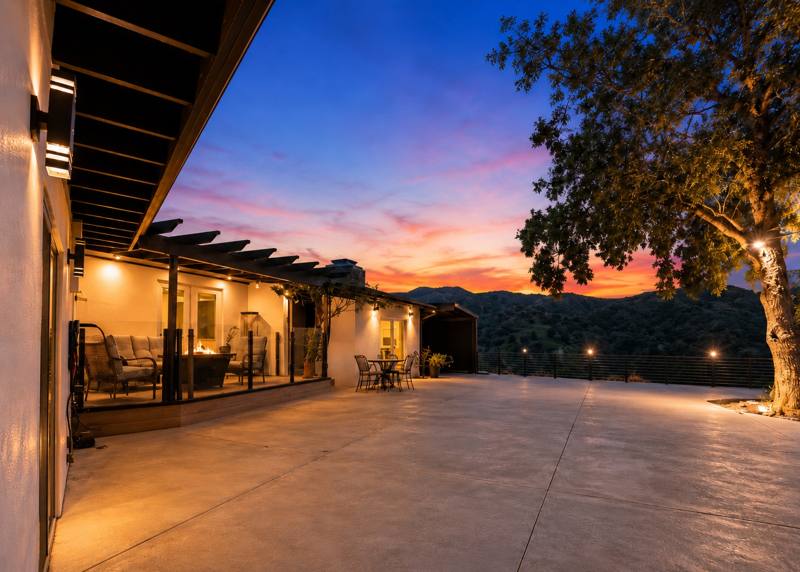
If you live in Sun Valley, the place you are looking for may already be part of your view. Reggie's Recovery runs its medical detox and residential program from a private hilltop estate at 9250 Del Arroyo Dr, in the hills above the neighborhood, looking across the San Fernando Valley toward the San Gabriel Mountains. For many local families, the drive is shorter than a trip to the grocery store.
Being this close changes what treatment can look like. A spouse can join a family session after work, a parent can bring a clean change of clothes on visiting day, and when the time comes to step down, the routines you are rebuilding are in the same neighborhood you will be living in. This page is for Sun Valley neighbors who want to know what actually happens up the hill, and how to get started.
Quick answer
Yes. Reggie's Recovery Center is based in Sun Valley, so for local residents the campus is only minutes away. Our DHCS-licensed, Joint Commission–accredited detox and residential program operates at 9250 Del Arroyo Dr, a short drive from I-5 and SR-170. Outpatient PHP and IOP run at our sister facility, Reggie's Treatment Center, in South Los Angeles. Admissions answers around the clock at (818) 355-1200.
At a glance
- Drive to our campus
- Minutes from anywhere in Sun Valley
- Route
- Local streets; I-5 and SR-170 run through the neighborhood
- Nearest Reggie's location
- Our own detox & residential campus, 9250 Del Arroyo Dr
- Levels of care
- Detox, residential, PHP, IOP, sober living, MAT, dual diagnosis
- Admissions
- 24/7 at (818) 355-1200; most people are admitted the same day
- Insurance
- Most PPO plans; free verification in about 15–30 minutes
What is the Reggie's campus in Sun Valley actually like?
Most people picture Sun Valley as flat and busy, all rail lines and freeway interchanges. The campus sits apart from that, up in the residential hills where the streets narrow and the city noise falls away, with the San Gabriel Mountains across the Valley.
A home, not a hospital ward
The detox and residential program is housed in a private estate rather than an institutional building. Detox clients stay in private suites with spa-style bathrooms and mountain views. Residential clients live in mostly private rooms, with some shared, and meals are chef-prepared. The living room, dining area and outdoor spaces are where much of the day happens between therapy sessions.

That comfort is there for a clinical reason. People who feel safe and respected tend to rest better, eat better and engage more honestly in therapy. Behind the comfort is a medical structure: 24/7 nursing, an on-call physician, an initial assessment with bloodwork, vitals and a mental-health screening, and a care team that includes psychiatric providers and licensed therapists.
Privacy in a residential neighborhood
A common worry for Sun Valley residents is being seen. Treatment close to home can feel exposed: what if a neighbor notices your car? The campus looks like what it is, a private home on a quiet hillside street, and there is no large sign announcing a treatment center. Inside, your records are protected by HIPAA and by 42 CFR Part 2, the federal rule that gives substance use treatment records extra confidentiality. We do not confirm to callers that you are a client without your written consent.
Visiting and family time
Family contact is structured rather than open-door. In the first days, especially during detox, the focus is on rest and medical stability, and phones and laptops are restricted early in treatment. Families receive updates from the care team when the client has given consent. As residential treatment progresses, visitation follows a set schedule and family therapy sessions are built into the plan. Admissions will walk you through current visiting times when you call.
Is it a good idea to go to rehab in your own neighborhood?
For some people, yes. The usual argument for traveling far away is distance from triggers: the friends you used with, the liquor store on the corner, the stress of home. A residential program creates much of that distance on its own. You are not going home at night, your days are structured, and your access to the outside world is limited early on. The hill does a lot of the work that a plane ticket would.
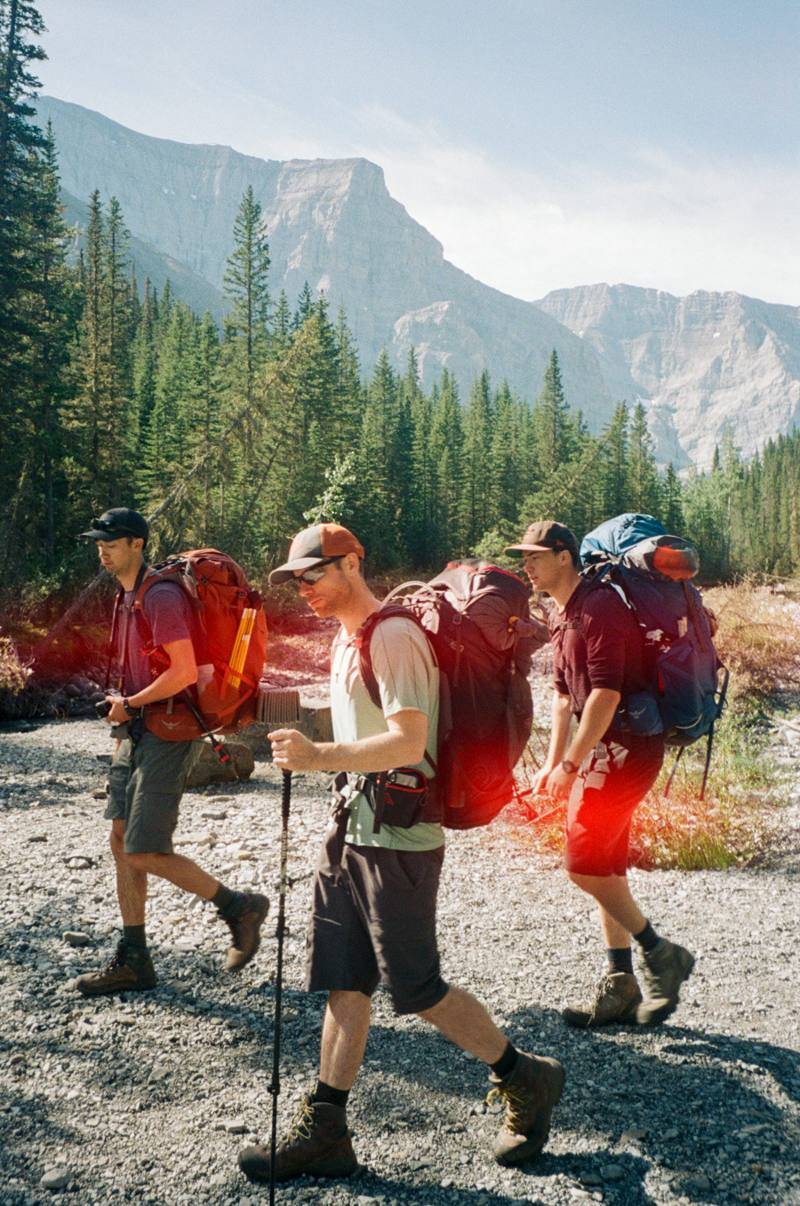
What a local program adds is continuity. The people who will support your recovery can take part in treatment, and your aftercare plan is built around the streets you actually live on. If home is unsafe or people there are actively using, your care team can discuss sober living, including our Glendale Hills residence.
What does substance use look like in Sun Valley and LA County?
Sun Valley is part of the City of Los Angeles, so the public health picture here is the county's picture. Los Angeles County Public Health has reported that fentanyl is now involved in most overdose deaths in the county, and that methamphetamine continues to play a large role as well, often in combination with other drugs. Alcohol remains the most widely used substance and a steady driver of emergency visits and health problems.
For families, the practical meaning is that the drug supply is less predictable than it was a decade ago. If anyone in your home uses opioids or buys pills outside a pharmacy, keep naloxone in the house. You can see the county's current data through LA County Substance Abuse Prevention and Control and the state's California Overdose Surveillance Dashboard.
Which levels of care are available to Sun Valley residents?
Most people move through more than one level of care, stepping down in intensity as they stabilize. A clinical assessment decides where you start.
- Inpatient medical detox, typically 5–10 days, with 24/7 nursing and comfort medications or tapering protocols as your provider decides. Alcohol and benzodiazepine withdrawal can be life-threatening and should always be medically supervised. Learn more about alcohol addiction and opioid addiction.
- Residential treatment, typically 30–90 days on the hilltop campus, with individual and group therapy, family work, and yoga, meditation, art and fitness.
- PHP and IOP at Reggie's Treatment Center on W. Manchester Ave in South LA, with day and evening tracks. Your team can also help you weigh outpatient options closer to Sun Valley if the commute does not work.
- Sober living, from 30 days to a year or more, for people who want structure before going fully home.
- Medication-assisted treatment with buprenorphine or naltrexone when clinically appropriate, and dual-diagnosis care for depression, anxiety, trauma, bipolar disorder or ADHD alongside substance use.
How do Sun Valley residents get to the campus, and how do visits work?
Most local families simply drive up through the neighborhood; from most of Sun Valley it is a matter of minutes. If you are coming from the far edges of the neighborhood or from Shadow Hills, I-5 and SR-170 both run through Sun Valley and make the trip quick outside rush hour. The Metrolink Antelope Valley Line stops at the Sun Valley station, which is useful for relatives coming from Santa Clarita or the Antelope Valley, and Hollywood Burbank Airport is only about 10–15 minutes away for family flying in.
If you cannot drive yourself, or should not be driving because you are intoxicated or in withdrawal, our admissions team coordinates transportation as part of the intake process. Tell them where you are and what you need when you call.
What recovery resources are around Sun Valley?
Beyond emergencies, county and national resources include:
- LA County Substance Abuse Service Helpline (SASH): 1-844-804-7500, 24/7, for screening and referrals to county-funded treatment, including Medi-Cal programs.
- 988 Suicide & Crisis Lifeline: call or text 988.
- SAMHSA National Helpline: 1-800-662-4357, free and confidential, 24/7.
- Meetings: search nearby groups through AA, NA and SMART Recovery. Families can find Al-Anon meetings across the east Valley and Burbank.
Before you leave residential care, your case manager works with you on an aftercare plan: outpatient sessions, meetings within easy reach of home, alumni programming, and a plan for what to do on a hard day. For a Sun Valley resident, that plan can include people you met up the hill.
How do Sun Valley residents pay for treatment?
We work with most major PPO plans, and for many people treatment is covered at least in part, depending on the plan. A free verification usually takes 15–30 minutes, and your employer is not notified. HMO options are limited with us, but we will point you toward resources, including the county's SASH line. We generally don't accept Medi-Cal, but if that's your coverage we'll connect you with a provider who does. Self-pay and financing options can be discussed. See our insurance page, or try the free Insurance Decoder to understand your benefits before you call.
How does a Sun Valley resident start treatment?
Admission takes three steps: a phone call, an insurance check, and the start of care. Most people finish the process in under two hours and are admitted the same day. You can call for yourself without a referral. If you are calling about someone you love, our family resources explain how to start the conversation, and the admissions page lists what to bring. Not sure you need help? The anonymous Self-Check takes a few minutes.
Key takeaways
- Reggie's detox and residential campus is in Sun Valley itself, minutes from anywhere in the neighborhood.
- The hilltop setting gives privacy and distance from triggers without taking you far from family.
- Visits and family therapy follow a structured schedule; admissions will explain current times.
- Outpatient PHP/IOP runs in South LA, and your team can help plan aftercare close to home.
- Call (818) 355-1200 any time; most people are admitted the same day.
Sources & further reading
- LA County Substance Abuse Prevention and Control — county treatment system, SASH helpline and data reports.
- California Overdose Surveillance Dashboard — state and county overdose data.
- CDC Overdose Prevention — national overdose information and naloxone guidance.
- HHS: HIPAA and 42 CFR Part 2 — federal confidentiality rules for substance use treatment records.
This page is educational and does not replace medical advice. Driving times are approximate and depend on traffic. If you are in danger, call 911.
FAQs
Questions From Sun Valley Families
Yes. Our detox and residential campus is at 9250 Del Arroyo Dr in Sun Valley, CA 91352, on a private hillside overlooking the San Fernando Valley. For most Sun Valley residents it is only minutes away. Our outpatient PHP and IOP programs run at Reggie's Treatment Center on W. Manchester Ave in South Los Angeles.
The campus is a private home on a quiet residential street, not a clinic with a large sign. Your records are protected by HIPAA and 42 CFR Part 2, and we do not confirm that you are a client to anyone without your written consent. Many Sun Valley clients find the setting more discreet than they expected.
Yes, on a structured schedule. Early in treatment, especially during detox, the focus is on rest and stabilization, and family members receive updates from the care team with your consent. Visits and family therapy are built into residential care. Admissions can tell your family the current visiting times.
Yes. Inpatient medical detox, typically 5–10 days, takes place on our Sun Valley campus with 24/7 nursing and an on-call physician. Detox clients stay in private suites. Because alcohol and benzodiazepine withdrawal can be dangerous, we strongly advise against detoxing alone at home.
Not necessarily. Residential care already separates you from daily triggers: you live on campus, your days are structured, and outside contact is limited early on. Staying close lets your family take part in therapy and makes it easier to set up aftercare near home. If home is not a safe place to return to, your team can discuss sober living.
Not necessarily. We accept most major PPO plans, and treatment is often covered at least in part, depending on your plan. Verification is free and usually takes 15–30 minutes. If you have an HMO, we can point you to county resources such as the SASH helpline. We generally don't accept Medi-Cal, but if that's your coverage we'll connect you with a provider who does. Self-pay and financing options can also be discussed.