Serving Malibu · Westside & Coast
Drug & Alcohol Rehab Serving Malibu
Licensed detox and residential care over the Santa Monica Mountains, followed by PHP, IOP and sober living so support steps down gradually.
Malibu can look like the easiest place in the world to get well — ocean air, canyon trails, quiet beaches. But anyone who has tried to stop drinking or using here knows the scenery does not make the problem smaller. Private homes, plenty of time alone and a social life that often centers on alcohol can all make substance use easy to hide and hard to step away from.
Reggie’s Recovery Center offers licensed medical detox and residential treatment on a hilltop campus in Sun Valley, on the far side of the Santa Monica Mountains from the coast. This page walks through how to get there from Malibu and, most importantly, how care continues after residential treatment — because what happens in the months after the first 30 days often decides how well recovery holds.
Quick answer
Yes — Reggie’s Recovery Center works with adults from Malibu and the Santa Monica Mountains. Our DHCS-licensed, Joint Commission–accredited detox and residential campus in Sun Valley is roughly 50–70 minutes from Malibu, using the canyon roads to US-101 or Pacific Coast Highway to I-405. Outpatient PHP and IOP run at Reggie’s Treatment Center in South Los Angeles. Call any time: (818) 355-1200.
At a glance
- Drive to our campus
- Roughly 50–70 min without heavy traffic
- Route
- Canyon road to US-101, or PCH to I-405 north
- Nearest Reggie’s location
- Sun Valley campus (detox & residential)
- Levels of care
- Detox → residential → PHP → IOP → sober living
- Admissions
- 24/7 · confidential · often same day
- Insurance
- Most major PPO plans · free verification
Why consider treatment within reach of Malibu?
When you live somewhere this beautiful, it can be tempting to look for a program that feels like a retreat. Comfort matters, but what matters more is licensed medical care, experienced clinicians and a clear plan for what comes next. Reggie’s pairs a calm, private campus — private suites, mountain views, chef-prepared meals — with DHCS licensing and Joint Commission accreditation.
Being about an hour from home also has practical value. It is far enough from your house, your usual restaurants and your social circle to give you real space, yet close enough for family therapy and structured visits. And because the rest of your care can continue in Los Angeles, you do not lose momentum flying home at the end of residential treatment and starting over with a new team.
What is step-down care, and why does it matter?
Step-down care means moving gradually from the most structured level of treatment to the least, instead of going straight from 24-hour care back to full independence. Residential treatment builds a strong foundation, but it is a protected environment. The real test comes when you are back in your kitchen, your car and your calendar. Step-down care lets you meet those challenges with support still in place.
Residential treatment
Most people who need it start here after detox. Residential care usually lasts 30–90 days, with extensions when clinically needed. Days combine individual therapy, group work, family sessions and activities such as yoga, art and fitness. The focus is stabilizing, understanding what drives the substance use, and learning new coping skills.
Partial hospitalization (PHP)
PHP is the first step down. It typically runs 5–6 days a week for around 5–6 hours a day, usually for 4–6 weeks. You are in treatment most of the day, but you sleep at home or in sober living. That is where you start practicing skills in real situations and bringing what happens back into therapy the next morning.
Intensive outpatient (IOP)
IOP is lighter again: 3–5 days a week in 3-hour sessions, in morning or evening tracks, typically for 8–12 weeks. Many people return to work or family responsibilities during IOP. Our PHP and IOP programs run at Reggie’s Treatment Center in South Los Angeles, with the same clinical team that supports residential care. If that commute is not practical from the coast, your case manager can talk through options as part of your aftercare plan.
Sober living and aftercare
Sober living — anywhere from 30 days to a year or more — gives you a structured, substance-free home while you attend outpatient care. After that, aftercare and alumni programming help you stay connected long after formal treatment ends.
| Level | Where you sleep | Typical schedule |
|---|---|---|
| Medical detox | On campus | 24/7 care, typically 5–10 days |
| Residential | On campus | Full days of therapy, 30–90 days |
| PHP | Home or sober living | 5–6 days/week, ~5–6 hours/day |
| IOP | Home or sober living | 3–5 days/week, 3-hour sessions |
| Sober living | Supportive group home | 30 days to 12+ months |
Why stepping down matters
Research summarized by NIDA and SAMHSA consistently describes addiction as a chronic condition that benefits from ongoing care, and treatment that lasts long enough is tied to better results. A gradual step-down gives you time to rebuild routines, sleep and relationships while someone is still checking in. If things wobble, it is also much easier to move back up a level for a while than to start over from scratch.
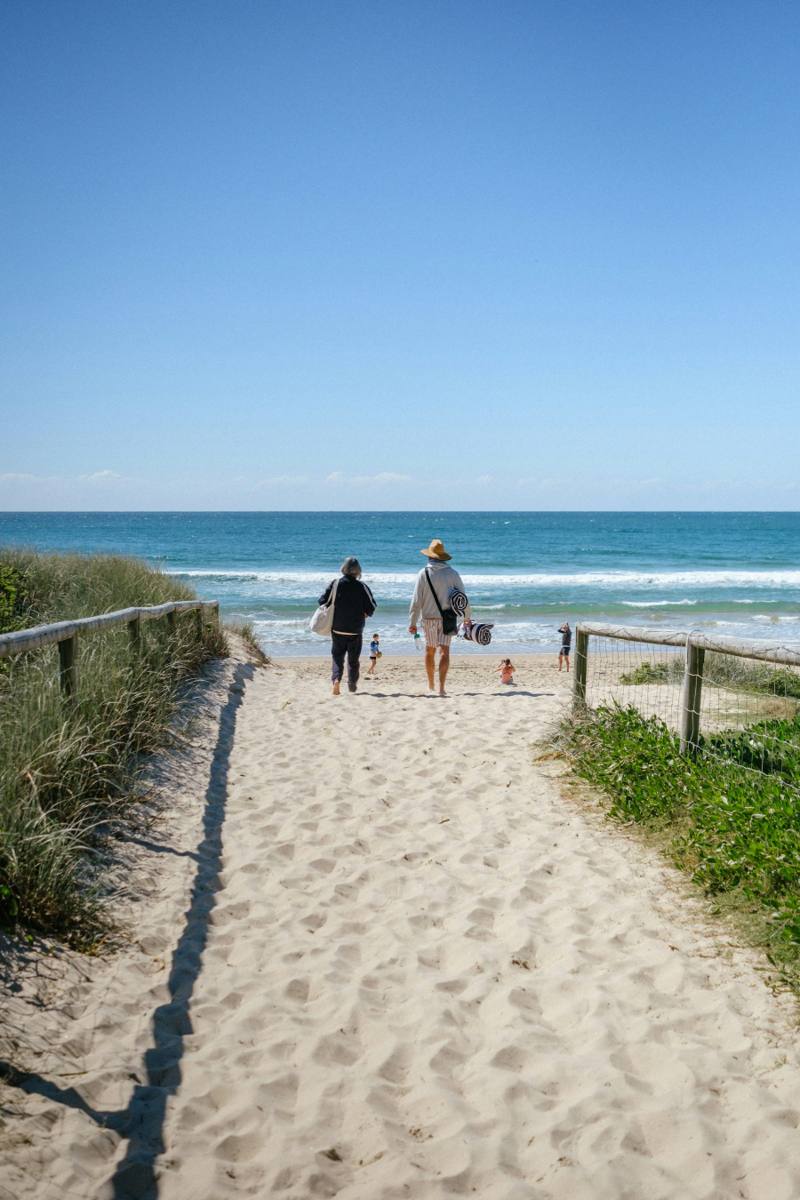
What does substance use look like in Malibu and LA County?
Malibu is its own city within Los Angeles County, and county public-health agencies track overdose and treatment trends for every community, coastal or not. LA County Public Health has reported that fentanyl is now involved in a large share of the county’s overdose deaths, including deaths linked to counterfeit pills. Current figures are published through LA County Substance Abuse Prevention and Control and the California Overdose Surveillance Dashboard.
For Malibu families, it is worth remembering that problems with alcohol and prescription drugs are often the quietest. A high-functioning partner or adult child can keep up appearances for a long time. If you are noticing changes, our anonymous Self-Check is a private place to start.
What levels of care can Malibu residents access?
- Inpatient medical detox with 24/7 nursing, an on-call physician and private suites.
- Residential treatment on our Sun Valley campus.
- PHP and IOP at Reggie’s Treatment Center, day or evening tracks.
- Sober living, including our Glendale Hills residence.
- Medication-assisted treatment with buprenorphine or naltrexone when appropriate.
- Dual-diagnosis care for depression, anxiety, trauma and other co-occurring conditions.
We treat alcohol, opioids, stimulants and prescription medications, including benzodiazepines and cocaine.
How do you get from Malibu to Sun Valley?
From central and western Malibu, the usual route is up one of the canyon roads, such as Malibu Canyon Road or Kanan Dume Road, to US-101, then east across the San Fernando Valley and north on SR-170 toward Sun Valley. From the eastern end of Malibu, some drivers prefer Pacific Coast Highway to I-10 and then I-405 north through the Sepulveda Pass into the Valley. Without heavy traffic, either way takes roughly 50–70 minutes.
Canyon roads and PCH can close or slow for weather, fire or construction, so check conditions before you leave. If you would rather not drive, our admissions team can coordinate transportation. Family visiting later can plan around the same routes.
What recovery resources are near Malibu?
- LA County Substance Abuse Service Helpline (SASH): 1-844-804-7500, 24/7.
- SAMHSA National Helpline: 1-800-662-4357.
- Meetings: AA, NA, SMART Recovery and Al-Anon all list in-person and online meetings, including along the coast and in the West Valley.
Your case manager helps assemble these pieces into a written aftercare plan before discharge, so you know exactly what each week looks like once you are back in Malibu.
How does insurance work for Malibu residents?
Reggie’s accepts most major PPO plans, and treatment is often covered at least in part depending on your plan — including outpatient stages of step-down care. Sober living usually is not covered by insurance, though the clinical programming you attend while living there often is. Verification is free, usually 15–30 minutes, and confidential. Self-pay and financing options can be discussed. Visit the insurance page or try the Insurance Decoder.
How do you begin treatment from Malibu?
Call (818) 355-1200. Admission is three steps — a confidential conversation, insurance verification and the start of care — and most people are admitted the same day. The admissions page explains what to bring, and the families page helps if you are calling for someone else.
Key takeaways
- Our Sun Valley campus is roughly 50–70 minutes from Malibu via the canyons and US-101, or PCH and I-405.
- Step-down care moves from residential to PHP, IOP and sober living so support fades gradually.
- PHP and IOP run at Reggie’s Treatment Center in South Los Angeles with the same clinical team.
- Most major PPO plans are accepted; sober living is usually self-pay.
Sources & further reading
- NIDA — Principles of Drug Addiction Treatment — why treatment length and continuing care matter
- LA County Substance Abuse Prevention and Control — county services and data
- California Overdose Surveillance Dashboard — overdose data by county
- SAMHSA — Find Help — treatment and helpline information
This page is educational and does not replace medical advice. In an emergency, call 911.
FAQs
Questions From Malibu Families
Our Sun Valley detox and residential campus is roughly 50–70 minutes from Malibu without heavy traffic. Most people take Malibu Canyon or Kanan Dume Road to US-101 and then SR-170 north; from eastern Malibu, PCH to I-10 and I-405 north also works. Check canyon and PCH conditions before you leave.
Step-down care means moving gradually from the most structured level of treatment to less structured ones — typically residential, then partial hospitalization (PHP), then intensive outpatient (IOP), often with sober living alongside. Support fades gradually instead of disappearing all at once, which gives new routines time to take hold.
PHP and IOP run at Reggie’s Treatment Center, 2107 W. Manchester Ave in South Los Angeles, with day and evening tracks and the same clinical team as residential care. If that commute is hard from Malibu, your case manager will talk through realistic options as part of your aftercare plan.
Not always. Detox and residential treatment are overnight, live-in programs on our Sun Valley campus. PHP and IOP let you sleep at home or in sober living while attending structured sessions. After an assessment, your care team will recommend the level that fits your needs and safety.
Reggie’s works with most major PPO plans, and treatment is often covered at least in part depending on your plan, including outpatient care. Sober living usually is not covered. Verification is free, takes about 15–30 minutes, and your employer is not notified. Call (818) 355-1200 to check your benefits.
Struggling is not failure. If cravings or a relapse occur during outpatient care or sober living, the usual response is to move back up to a more supportive level for a while — for example from IOP back to PHP or residential. Your care team will help decide what makes sense.