Serving Santa Clarita · Santa Clarita & Antelope Valley
Drug & Alcohol Rehab Serving Santa Clarita
Licensed detox and residential care just over the Newhall Pass, with family therapy that keeps Santa Clarita families part of the plan.
If you live in Santa Clarita — Valencia, Saugus, Newhall, Canyon Country or Stevenson Ranch — and someone you love is struggling with alcohol or drugs, you are probably juggling two worries at once: how to get them safe care quickly, and how to stay part of their life while they are getting it. You do not have to choose between the two.
Reggie’s Recovery Center’s detox and residential campus sits on a hilltop in Sun Valley, just on the other side of the Newhall Pass. That puts real, licensed treatment within a normal weeknight drive of your home, close enough for family sessions and visits, and far enough that your loved one is out of the daily routines that kept the problem going.
Quick answer
Yes — Reggie’s Recovery Center works with adults and families from across the Santa Clarita Valley. Our DHCS-licensed, Joint Commission–accredited medical detox and residential campus in Sun Valley is roughly 25–35 minutes from Santa Clarita, mostly a straight run south on I-5 through the Newhall Pass. Outpatient PHP and IOP follow the same treatment plan. Admissions answers 24/7 at (818) 355-1200.
At a glance
- Drive to our campus
- Roughly 25–35 min without heavy traffic
- Route
- I-5 south through the Newhall Pass; SR-14 from Canyon Country
- Nearest Reggie’s location
- Detox & residential campus, Sun Valley
- Levels of care
- Detox, residential, PHP, IOP, sober living, MAT
- Admissions
- 24/7 · most people admitted the same day
- Insurance
- Most major PPO plans · free verification
Why does treatment close to Santa Clarita help families?
For a lot of Santa Clarita families, the hardest part of getting someone into treatment is the fear of handing them off and losing touch. When the campus is a short drive down I-5, it is much easier to show up for family therapy, attend a scheduled visit, or bring a forgotten jacket without taking a day off work.
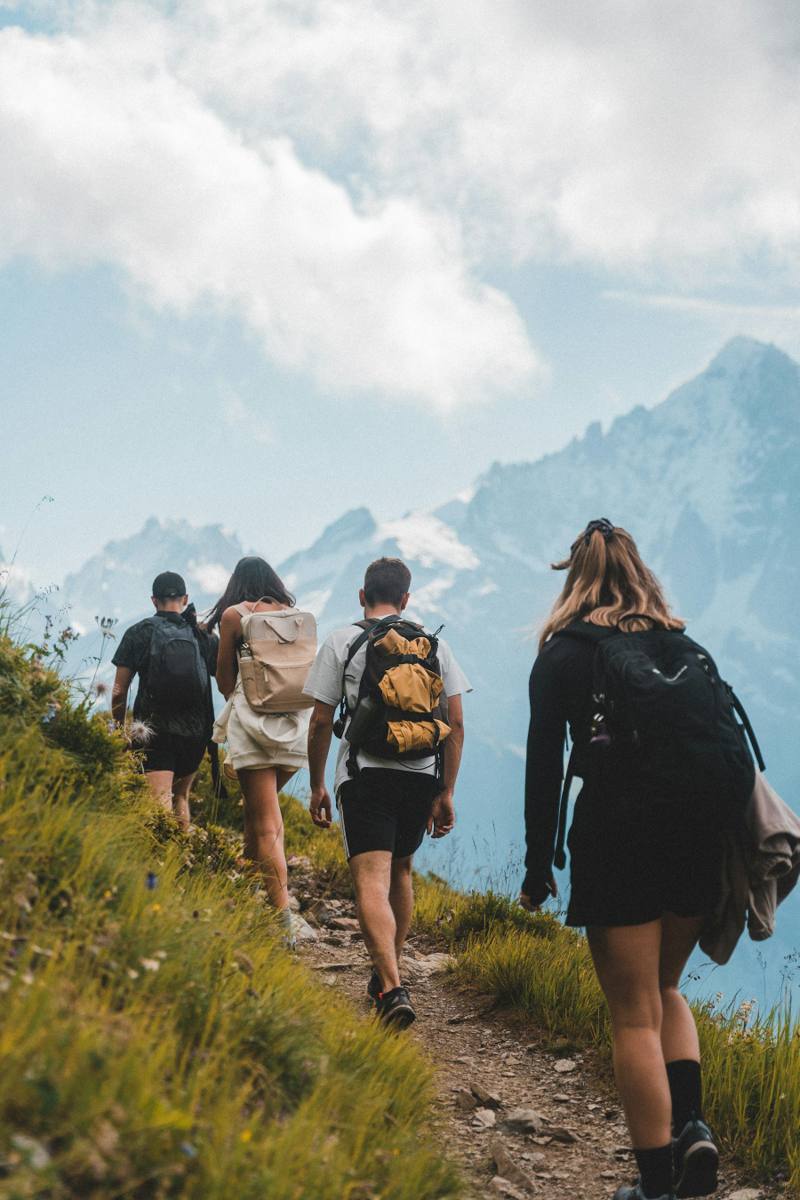
A short drive also helps after residential care ends. Outpatient programming, sober living and local meetings all need to fit around real life in the valley — school pickups in Valencia, a commute on the 5, shifts in Newhall. Planning that next phase is simpler when the treatment team already understands where you live.
At the same time, Sun Valley is not your neighborhood. Your loved one will not be passing the same liquor store, the same friend’s house or the same parking lot every day. That small amount of distance gives early recovery room to take hold.
How can Santa Clarita families stay involved while a loved one is in treatment?
Addiction rarely affects just one person. Partners, parents, adult children and siblings often arrive exhausted, angry, scared, or all three. Staying involved in a healthy way is one of the most useful things you can do — and it is also something you are allowed to get help with yourself.
Family therapy and updates
Reggie’s offers family therapy as part of care, using approaches such as Family Systems Therapy, which looks at how patterns inside a household shape — and are shaped by — substance use. Sessions are a place to talk about what has happened, repair trust slowly, and plan for the return home. With your loved one’s written consent, the care team can also keep you updated during detox and residential treatment. Federal privacy rules (HIPAA and 42 CFR Part 2) mean staff cannot share details without that consent, so it helps to raise the question early.
Visiting and staying connected
Residential treatment includes structured visitation. Phones and laptops are usually limited early on and reintroduced as clinically appropriate. Ask the admissions team how visits are scheduled when your loved one starts, and plan your drive from Santa Clarita around it.
Support for you: Al-Anon and your own care
Family members often put their own health on hold for months or years. Al-Anon and similar groups are free, peer-led meetings for people affected by someone else’s drinking or drug use, and there are meetings throughout the Santa Clarita Valley and online — you can search by ZIP code at the Al-Anon meeting finder.
Boundaries that protect everyone
Boundaries are not punishments. They are clear statements about what you will and will not do: “I won’t give you cash, but I will drive you to your appointments,” or “You’re welcome home for dinner, but not if you’ve been drinking.” Family sessions are a good place to practice setting them calmly. Our free family guide, The First 48 Hours, and the family resources page walk through how to start.
What does substance use look like in Santa Clarita and LA County?
Santa Clarita is its own city, but it sits inside Los Angeles County, and county public-health agencies track overdose and treatment trends across the whole region. LA County Public Health has reported that fentanyl and methamphetamine are now involved in a large share of the county’s overdose deaths, and that counterfeit pills made to look like prescription medications are a serious risk. You can explore current county and statewide figures through LA County Substance Abuse Prevention and Control and the California Overdose Surveillance Dashboard.
For families, the practical lesson is simple: the drug supply is less predictable than it used to be, and “just pills” or “just weekends” can carry real risk. Alcohol remains one of the most common reasons adults seek treatment, too. If you are unsure whether what you are seeing is serious, our anonymous Self-Check and the article on signs of addiction are a good place to start.
What levels of care are available to Santa Clarita residents?
Your care team recommends a starting point after an assessment; most people do not need every level.
- Medical detox (typically 5–10 days) — 24/7 nursing, an on-call physician and comfort medications. Essential for alcohol, benzodiazepine and opioid withdrawal; see our pages on alcohol and opioid addiction.
- Residential treatment (30–90 days, extended when clinically needed) — live-in care with individual, group and family therapy.
- PHP and IOP — structured day or evening programming while you live at home or in sober living.
- Sober living — supportive, substance-free housing during the transition back to daily life.
- Medication-assisted treatment — buprenorphine or naltrexone where appropriate, with counseling.
- Dual-diagnosis care — on-staff psychiatric care for depression, anxiety, trauma and other conditions that often travel with substance use.
How do you get from Santa Clarita to Sun Valley?
The drive is one of the simplest in our service area. From Valencia, Newhall or Stevenson Ranch, take I-5 south through the Newhall Pass and stay on it into the east San Fernando Valley; Sun Valley sits along I-5 near the SR-170 junction. From Canyon Country, SR-14 south joins I-5 at the pass. Without heavy traffic, plan on roughly 25–35 minutes. Rush hour on the 5 can stretch that.
| Starting point | Main route | Good to know |
|---|---|---|
| Valencia / Stevenson Ranch | I-5 south | Most direct; roughly 25–35 min off-peak |
| Canyon Country | SR-14 south to I-5 south | The 14/5 interchange can back up |
| By train | Metrolink Antelope Valley Line | Santa Clarita-area stations run south to Sun Valley station |
If driving is not realistic — no car, no license, or a loved one who should not be behind the wheel — our admissions team can coordinate transportation as part of intake. Just tell us when you call.
What recovery resources are available in the Santa Clarita Valley?
Free resources for Santa Clarita residents:
- The LA County Substance Abuse Service Helpline (SASH), 1-844-804-7500, available 24/7 for screening and referrals to county-funded care.
- The SAMHSA National Helpline, 1-800-662-4357, free and confidential, 24/7.
- Peer meetings: AA, NA, SMART Recovery, and Al-Anon for families.
Before discharge, our case management team helps build an aftercare plan that fits life back in the valley — outpatient sessions, meeting options near home and alumni programming.
How do Santa Clarita residents pay for treatment?
Reggie’s works with most major PPO plans, and treatment is often covered at least in part depending on your plan. A free verification usually takes 15–30 minutes, and your employer is not notified. HMO options are more limited; if that is your coverage, we will help point you to resources. We generally don't accept Medi-Cal, but if that's your coverage we'll connect you with a provider who does. Self-pay and financing options can also be discussed. Learn more on our insurance page or try the free Insurance Decoder.
How do you start admission from Santa Clarita?
Admission happens in three steps: a confidential call, a quick insurance verification, and the start of treatment. Most people finish the process in under two hours and are admitted the same day. If you are calling for someone else, you are welcome to call first on your own to talk through what to say. Details are on the admissions page, and families can find more support on the families page.
Key takeaways
- Our Sun Valley detox and residential campus is roughly 25–35 minutes from Santa Clarita via I-5.
- Families can take part through family therapy, structured visits and consented updates.
- Al-Anon and clear, calm boundaries help family members stay well too.
- Most major PPO plans are accepted; verification is free and usually takes 15–30 minutes.
Sources & further reading
- LA County Substance Abuse Prevention and Control — county treatment resources and data
- California Overdose Surveillance Dashboard — statewide and county overdose data
- Al-Anon Family Groups — meeting finder for families and friends
- SAMHSA — resources for families coping with substance use
This page is educational and does not replace medical advice. If you or a loved one is in danger, call 911.
FAQs
Questions From Santa Clarita Families
Our detox and residential campus in Sun Valley is roughly 25–35 minutes from most of Santa Clarita without heavy traffic. From Valencia or Newhall, take I-5 south through the Newhall Pass; from Canyon Country, SR-14 joins I-5 at the pass. Rush hour can add time, so plan evening visits or family sessions with a buffer.
Yes. Reggie’s offers inpatient medical detox at our Sun Valley campus with 24/7 nursing, an on-call physician and comfort medications. Detox typically lasts 5–10 days depending on the substance and your health. Alcohol and benzodiazepine withdrawal can be dangerous without medical care, so please do not try to stop those on your own.
Yes. Residential treatment includes structured visitation and family therapy, and the short drive from the Santa Clarita Valley makes regular involvement realistic. Visit schedules depend on where your loved one is in treatment; phones and laptops are usually limited early on. Ask our admissions team how visits are arranged when your loved one starts.
With your loved one’s written consent, the care team can share updates with family. Without it, federal privacy rules (HIPAA and 42 CFR Part 2) prevent staff from confirming details. Encourage your loved one to sign a release during intake if they are comfortable, and know that family therapy is another place to hear how things are going.
Many families find it helps. Al-Anon is a free, peer-led group for people affected by someone else’s drinking or drug use, with meetings in and around the Santa Clarita Valley and online. It gives you a place to focus on your own well-being, which also makes it easier to support your loved one when they come home.
Reggie’s works with most major PPO plans, and treatment is often covered at least in part depending on your plan. Verification is free, usually takes 15–30 minutes, and your employer is not notified. HMO options are more limited, but we can point you toward resources. We generally don't accept Medi-Cal, but if that's your coverage we'll connect you with a provider who does. Call (818) 355-1200 to check your benefits.