Recovery Guide
What Sober Living Is Really Like (and Why It Works)
The weeks and months after treatment are the most fragile — and the most important. Here's how sober living gives new recovery the structure and community it needs to last.
Finishing detox or residential treatment is a huge accomplishment. But it also raises a hard question: what happens next? Going straight from a structured program back to old environments, old routines, and old triggers is one of the most common ways early recovery unravels.
That's the gap sober living is built to fill.
What Is Sober Living?
A sober living home is a drug- and alcohol-free residence for people in recovery. It sits between full-time treatment and fully independent life — offering more freedom than residential rehab, but far more structure and accountability than living on your own.
Residents live together, follow shared house rules, and support one another while continuing to work, attend outpatient programming, or rebuild their careers and relationships.
What Are the Homes Actually Like?
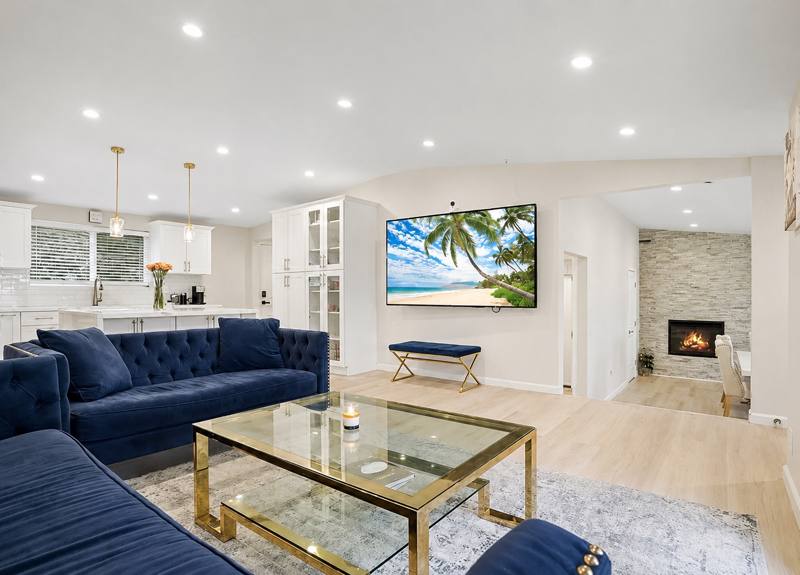
Forget the old image of a bare-bones "halfway house." Our sober living homes are comfortable, beautifully furnished, and designed to make recovery feel like a life worth protecting. Residents have access to:
- Furnished private and shared bedrooms
- Full kitchens and inviting common living areas
- A swimming pool and sun deck
- An outdoor gym and lighted basketball court
- Fire pit lounges and covered game decks
- Indoor game rooms with billiards and entertainment
These aren't luxuries for their own sake. Staying active, connected, and engaged is a proven protective factor in early recovery — boredom and isolation are relapse risks.
The Structure That Makes It Work
The comfort is only half the story. What makes sober living effective is the structure:
- Random drug and alcohol testing to protect every resident's sobriety
- Curfews and check-ins that reinforce accountability
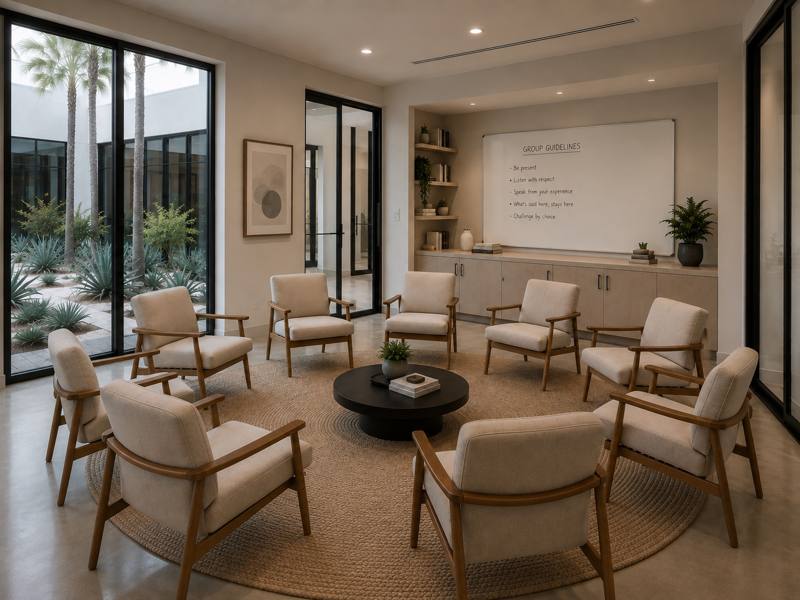
- Weekly house meetings to work through challenges as a community
- Required programming — outpatient treatment or 12-step meetings
- An on-site house manager for support and oversight
- Shared responsibilities that rebuild routine and self-discipline
Structure isn't punishment. It's the scaffolding that holds new sobriety in place until it can stand on its own.
Who Is Sober Living For?
Sober living is ideal for anyone who has completed detox and/or residential treatment but isn't ready to return to the environment where their addiction took root. It's also a strong fit for people stepping down from PHP or IOP who want extra support during a vulnerable transition.
How Long Do People Stay?
There's no single right answer. Some residents stay 30 to 90 days; others stay a year or more. Research consistently shows that longer stays are associated with better long-term outcomes — the first 90 days of sobriety are statistically the most fragile, and time spent in a supportive, structured environment during that window pays off for years.
The Power of Community
Perhaps the most underrated benefit of sober living is simply this: you're surrounded by people who understand. Recovery can feel lonely. Living alongside others walking the same path — sharing meals, workouts, meetings, and milestones — turns recovery from an isolating struggle into a shared journey.
Want to see what our sober living homes look like, or ask about availability? Explore our sober living program or call (866) 401-8229 — we're here 24/7.